


Huawei Battery Storage for Photovoltaic Systems
Smart Storage Solutions for Residential, Commercial, and Industrial Applications
Battery storage systems are a key component of modern energy systems. They increase the flexibility of photovoltaic systems, optimize the use of generated energy, and create new opportunities for smart energy supply. Huawei battery storage systems combine proven cell technology with intelligent system control. As an official Value Added Partner for Huawei in Europe, WATTKRAFT offers you the entire storage portfolio and supports you from planning through to operation.

An Overview of Huawei Battery Storage Solutions

Battery Storage for Residential Buildings
Huawei home storage systems are specifically designed to meet the needs of private households. They store solar power generated during the day and make it available in the evening or during periods of low sunlight. The result: noticeably higher self-consumption rates and greater independence from the public power grid.
-
Modular design, flexibly expandable
-
High cycle stability thanks to LFP cell technology
-
Seamless integration with Huawei inverters and the FusionSolar app
-
Backup function for uninterruptible power supply

Battery Storage for Commercial and Industrial Applications
The Huawei Smart String Energy Storage System (ESS) is designed for commercial and industrial applications with medium- to high-power requirements. The string architecture enables flexible sizing and modular expansion without compromising efficiency or safety.
-
Scalable Capacity for Commerce and Industry
-
Intelligent String-Level Battery Management System
-
Higher system availability through independent module control
-
Easy installation and efficient maintenance

Large-scale battery storage
For utility-scale projects and large-scale industrial applications, Huawei offers modular large-scale battery storage systems that can be precisely tailored to specific energy needs. These systems combine maximum storage capacity with advanced system monitoring and are designed for continuous operation in demanding environments.
-
Designed for large-scale projects with high energy demands
-
Intelligent system architecture with a central energy management system
-
High cycle stability and long service life
-
Remote Monitoring and Remote Control via Digital Platforms
Huawei Battery Storage at a Glance
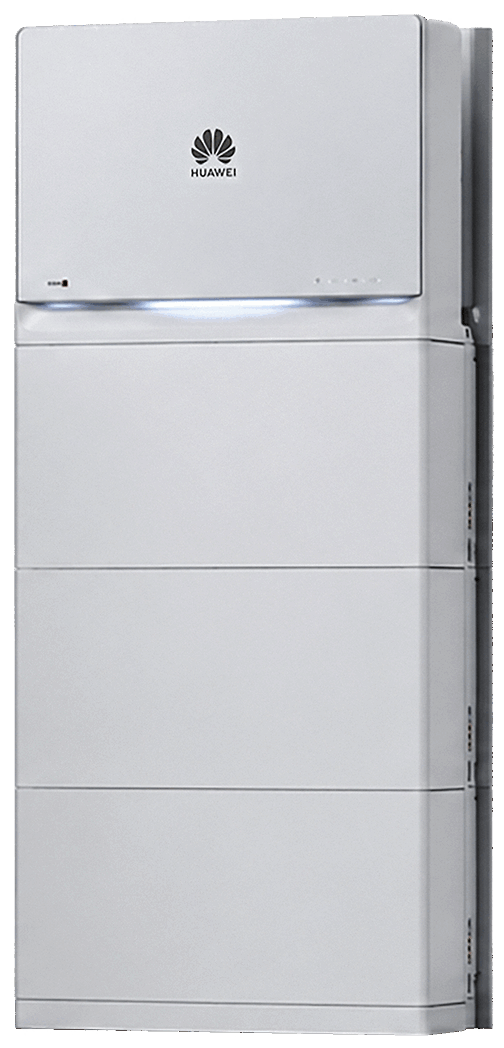
Coming-soon
Huawei
Huawei Luterra S2
Residential and Small Business
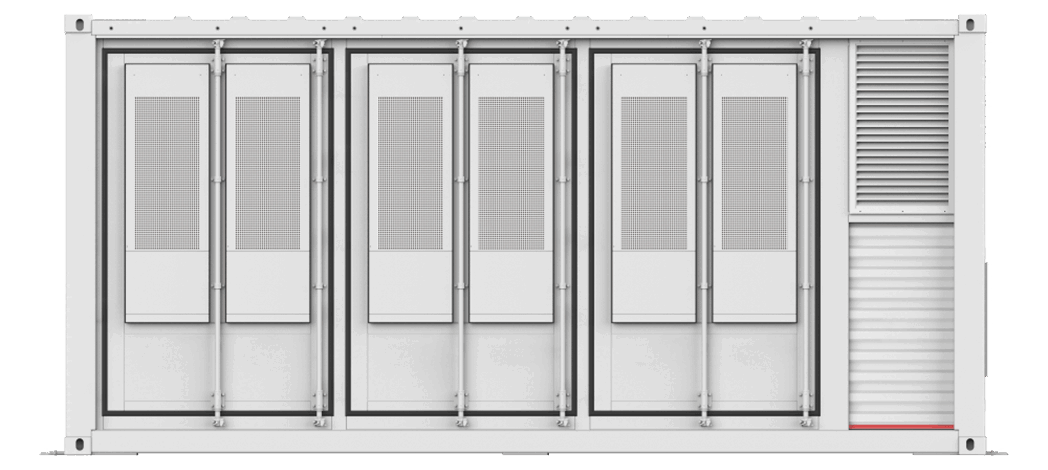
Huawei
LUNA2000-2.0MWH-2H1
Solar Farms & Large-Scale Plants
- Rated capacity 1016 - 2032 kWh
- Rated Power 338.7 kW
- Rated AC Voltage
- Operating voltage range 40–1,400 V
- Cooling Smart Air Cooling
- Weight ≤ 140 kg
- Installation location Outdoors
- Warranty 2 years
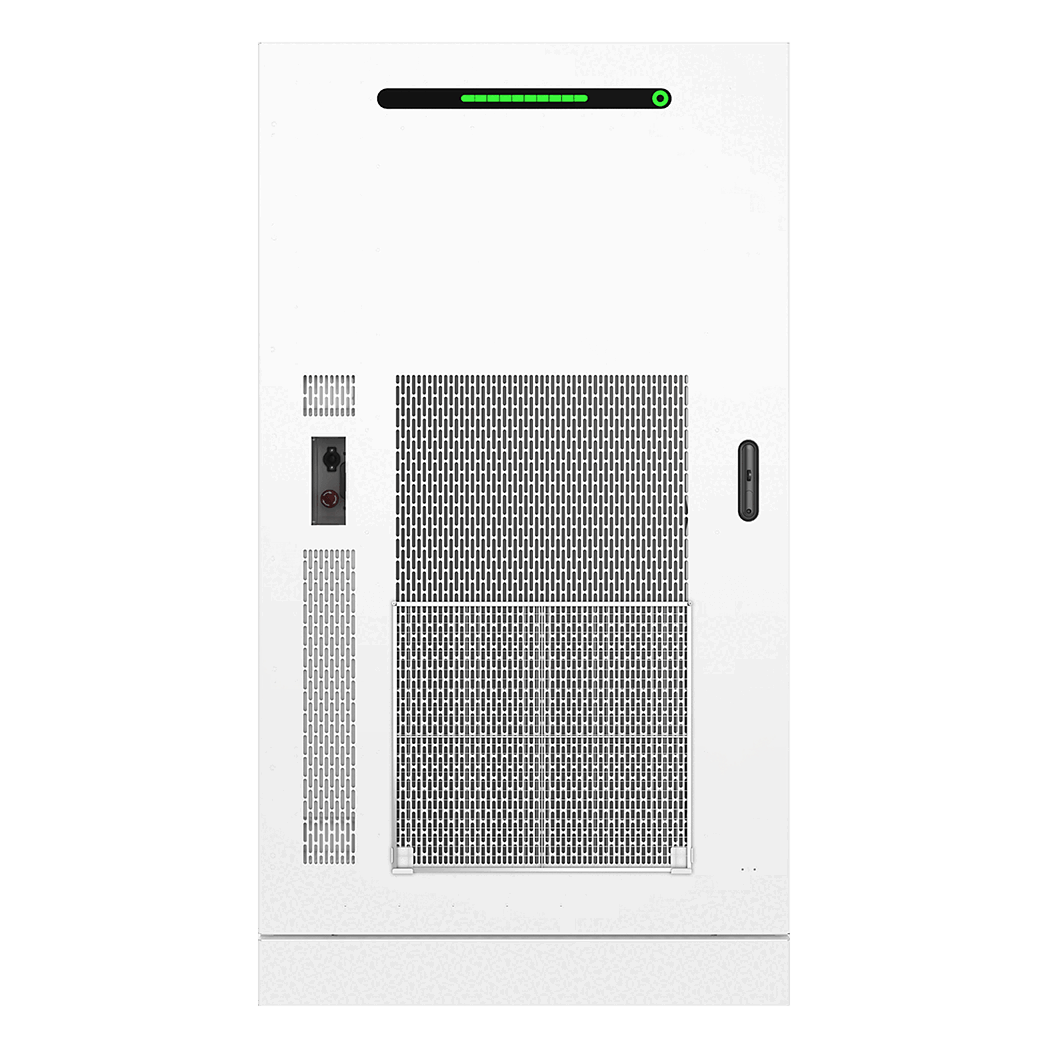
Huawei
LUNA2000-241 Series
Commerce & Industry
- Rated capacity 107.5 - 241 kWh
- Rated Power 108 kW
- Rated AC Voltage
- Operating voltage range 648–852 B.C.
- Cooling Hybrid Cooling
- Weight ≤ 2.8 metric tons
- Installation location Outdoors
- Warranty 5 years
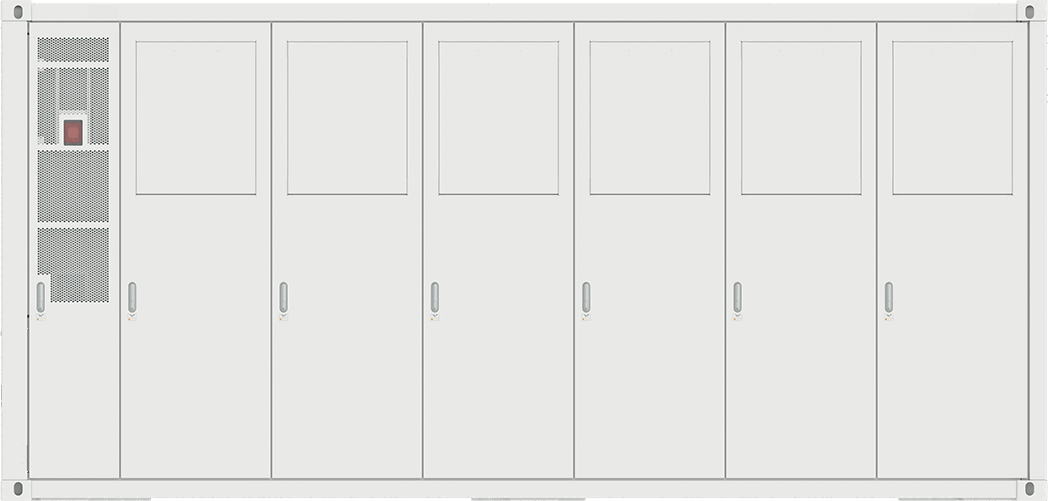
Huawei
LUNA2000-4472-2S
Solar Farms & Large-Scale Plants
- Rated capacity 4.472 kWh
- Rated Power 2.236 kW
- Rated AC Voltage
- Operating voltage range
- Cooling Liquid cooling
- Weight ≤ 41 metric tons
- Installation location Outdoors
- Warranty 2 years
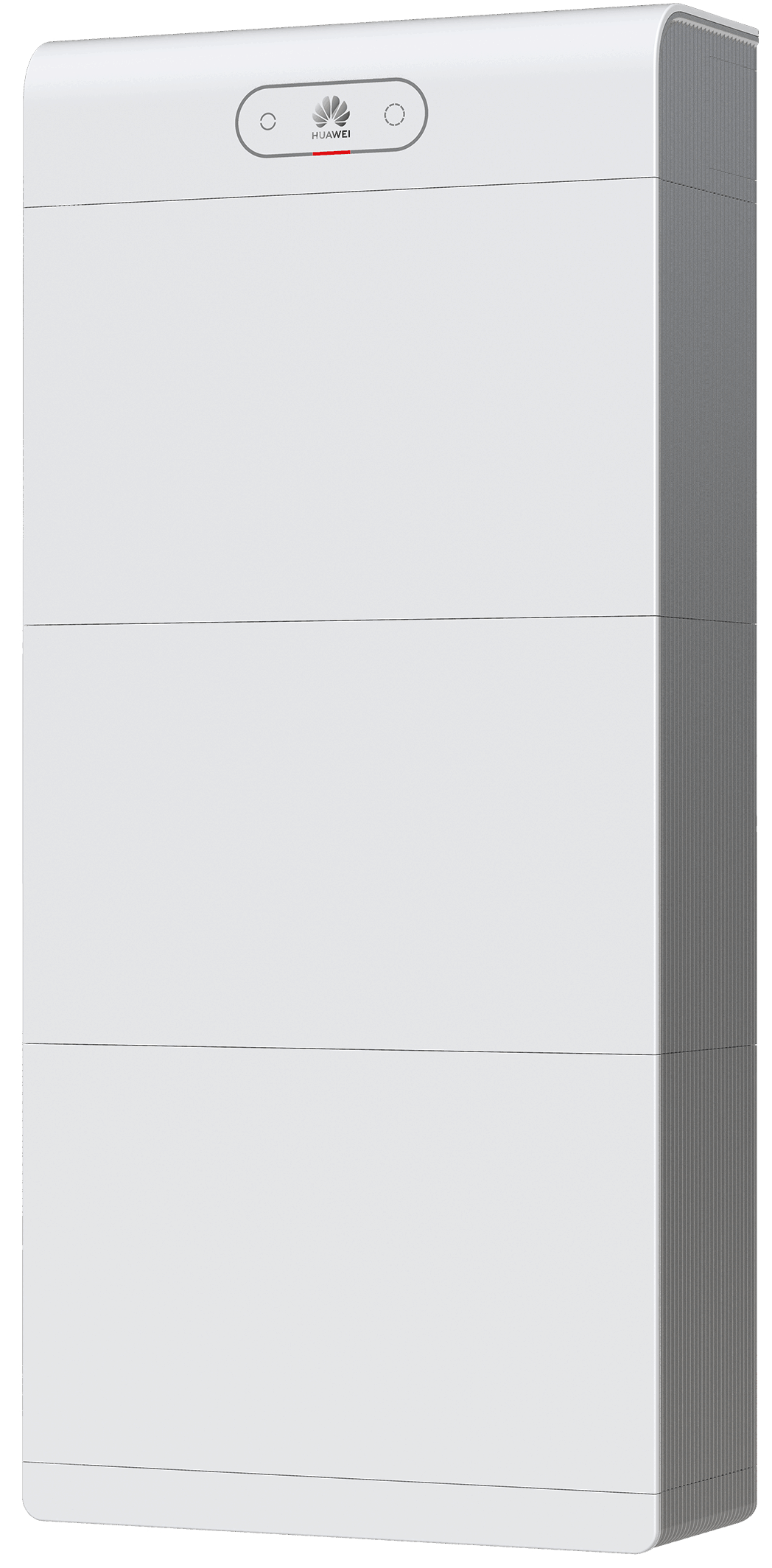
Huawei
LUNA2000-5/7/10/12/14/15/17/19/21-S1
Residential and Small Business
- Rated capacity 5 - 20.7 kWh
- Expansion Phases 5/7/10/12/14/15/17/19/21
- Max. Charging and Discharging Power 3,5 kW (5/7) / 7 kW (10/12/14) / 10.5 kW (15/17/19/21)
- Operating voltage range 350–560 V (single-phase) / 600–980 V (three-phase)
- Cell Technology Lithium iron phosphate (LiFePO4)
- Dimensions (W x H x D) 590 x 255 x 360 mm (1) / 590 x 255 x 870 mm (2) / 590 x 255 x 1,230 mm (3)
- Weight, including stand 80 / 148 / 216 kg (depending on the number of modules)
- Warranty Up to 15 years
- Weight, including stand 80 / 148 / 216 kg (depending on the number of modules)
Huawei
LUNA2000-5015-2S
Solar Farms & Large-Scale Plants
- Rated capacity 5015 kWh
- Rated Power 2507 kW
- Rated AC Voltage
- Operating voltage range
- Cooling Liquid cooling
- Weight < 43 metric tons (LUNA2000-2507-2S: < 27 metric tons)
- Installation location Outdoors
- Warranty


For Installers
You focus on the installation at the customer’s site. We make sure you’re not on your own when you have questions about system planning, commissioning, or troubleshooting.
-
Practical Training Courses
-
Hotline support provided by specialized engineers
-
Efficient return and exchange service (RMA) with high product availability directly from our warehouse

For Project Developers (EPC)
Ensure the success of your large-scale projects with Huawei’s proven storage systems. We bring in-depth engineering expertise to the table and support you from initial planning through to commissioning.
-
Active support for grid certification (VDE)
-
Validated system designs and project-specific yield simulations
-
On-site Service for the Commissioning of Energy Storage Projects
-
Direct R&D access for firmware customizations in special projects
Frequently Asked Questions About Photovoltaic Battery Storage Systems
Who would benefit from a battery storage system?
Who would benefit from a battery storage system?
A battery storage system is always worthwhile when a significant portion of the self-generated solar power is not consumed immediately. Households and commercial businesses with high evening and nighttime consumption, in particular, benefit from significantly higher self-consumption rates and lower electricity purchase costs. In commercial settings, energy storage systems also help prevent peak loads and reduce grid fees.
What battery technology is used in Huawei storage devices?
What battery technology is used in Huawei storage devices?
Huawei relies on lithium iron phosphate (LFP) technology for its battery storage systems. This cell chemistry is characterized by high thermal stability, a long service life, and exceptional cycle stability. LFP batteries are considered particularly safe and are especially well-suited for stationary use in PV systems.
Can Huawei battery storage systems be retrofitted into existing PV systems?
Can Huawei battery storage systems be retrofitted into existing PV systems?
In general, retrofitting is possible provided that the existing system is equipped with a compatible inverter. Huawei offers a coordinated product ecosystem of inverters and energy storage systems that allows for easy expansion of existing systems. For a customized assessment, we recommend consulting with qualified installers.
What should be the capacity of a battery storage system?
What should be the capacity of a battery storage system?
The optimal storage capacity depends on individual energy consumption, the size of the system, and usage patterns. As a general guideline, a storage capacity of one to two kilowatt-hours per kilowatt-peak of system output has proven effective in many practical applications. For commercial and industrial systems, sizing is based on a detailed load analysis.
Do Huawei battery storage systems provide an emergency power function?
Do Huawei battery storage systems provide an emergency power function?
Yes. Many Huawei storage systems feature a built-in backup function. In the event of a power outage, the system automatically switches to stand-alone mode and continues to supply power to designated circuits. The switchover time is so short that sensitive loads can continue to operate without interruption.
How are Huawei battery storage systems monitored and controlled?
How are Huawei battery storage systems monitored and controlled?
Huawei storage systems can be digitally monitored and controlled via the FusionSolar platform. Installers and plant operators gain real-time insight into the state of charge, energy flows, and system status. For commercial and industrial systems, advanced functions for telecontrol and integration into higher-level energy management systems are also available.
