

Maximum delivery reliability and scalability through access to Europe’s largest Huawei central warehouse
Dedicated key account management with attractive terms and strategic annual planning
Provision of white-label materials for your sales and marketing teams
Technical Pre-Sales Support for Your Customers

Validated system designs for charging infrastructure of any scale
Support for Grid Certification and Regulatory Requirements (VDE)
Integration of EV Charging into Higher-Level Energy Management Systems
On-site service during the commissioning of your charging station
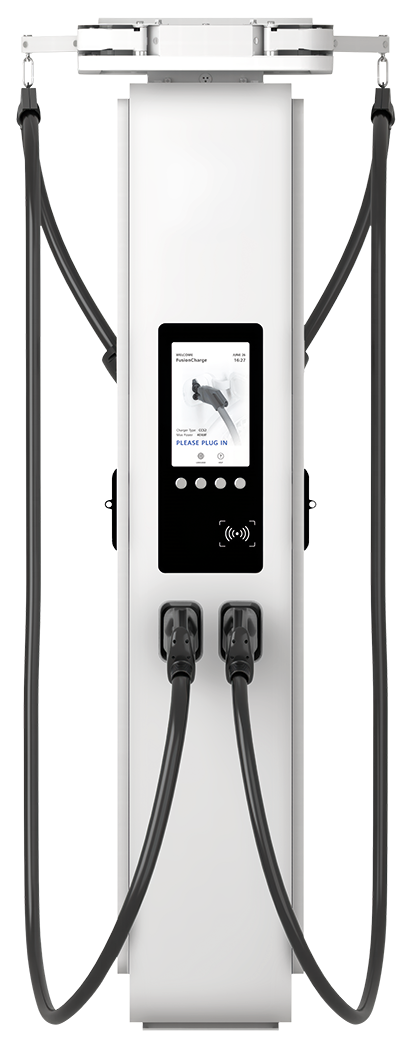
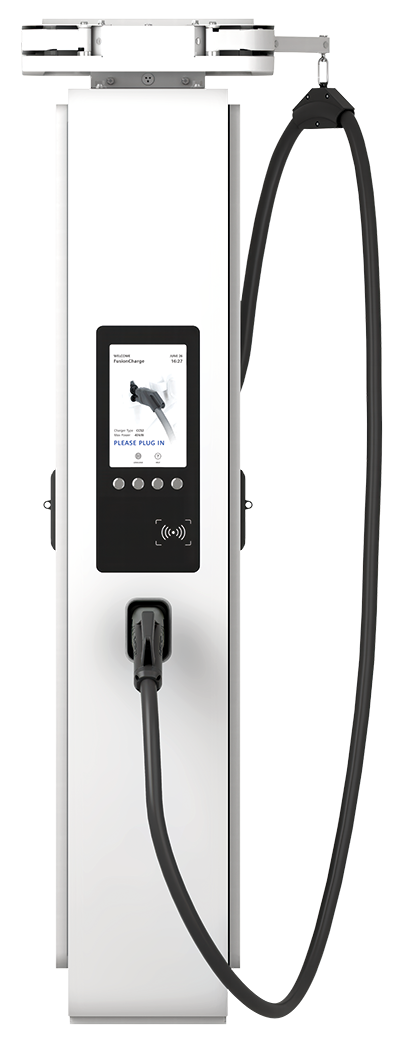
Huawei FusionCharge is designed for commercial and public charging infrastructure. This includes parking garages, charging parks, logistics centers, fleet operators, and municipal projects. The solution is designed for scalability and grows along with the needs of your location.
Instead of isolated charging stations, FusionCharge creates a networked system. Dynamic load control, digital monitoring, and integration into higher-level energy management systems ensure that every charging point becomes part of a smart, integrated system.
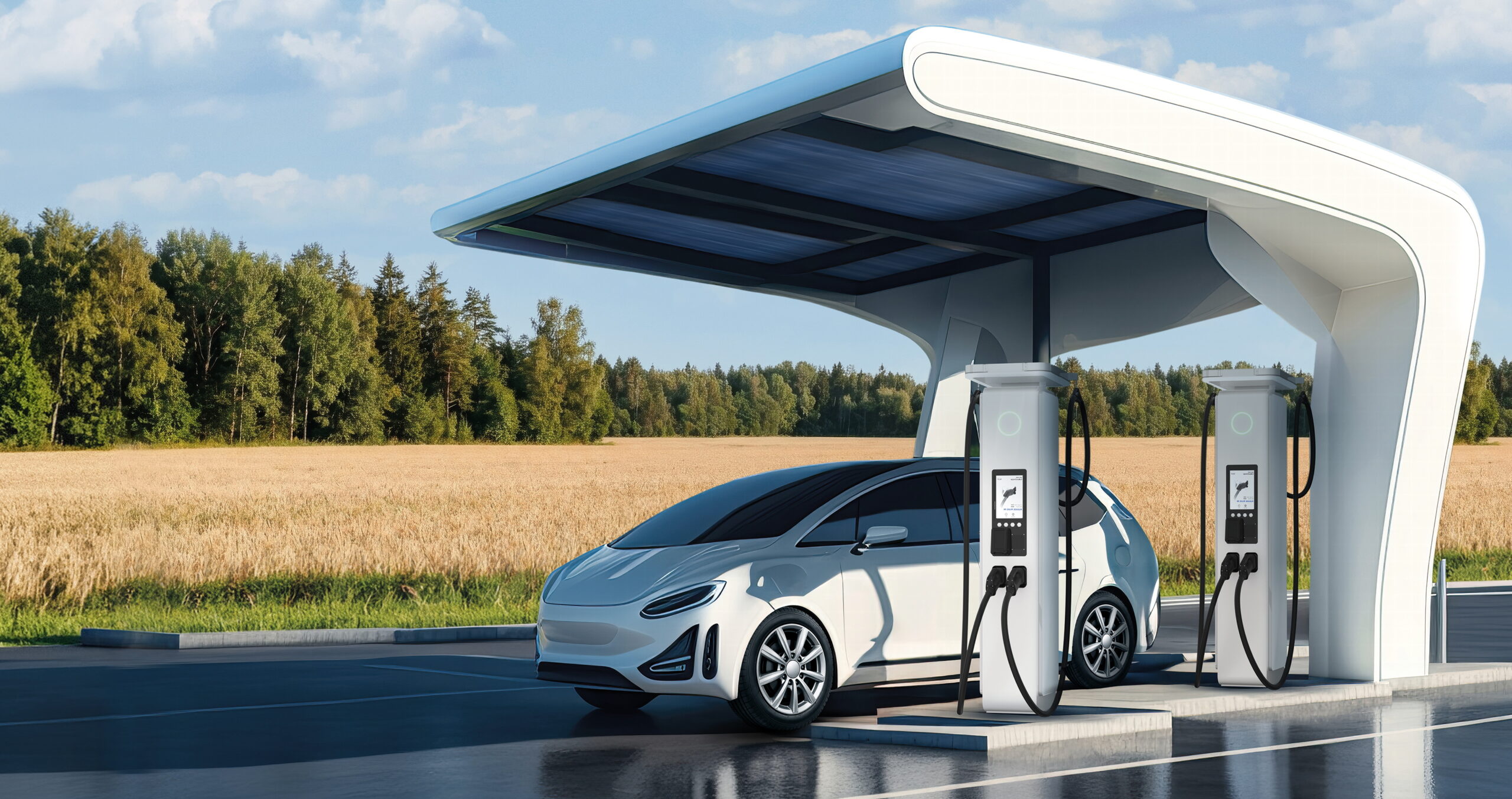
Yes. Huawei FusionCharge was specifically developed to work in conjunction with inverters and battery storage systems. This allows solar power to be used directly for charging and enables centralized control of the entire energy system.
Commercial and public charging stations are subject to, among other things, grid certification in accordance with VDE guidelines. WATTKRAFT supports project developers and installers in meeting these regulatory requirements and guides them through the entire certification process.
The One-Stop Solution is a fully integrated energy ecosystem for electric mobility. Photovoltaics, AC and DC energy storage systems, ultra-fast DC charging infrastructure, and smart energy management work together as a single, coordinated system. This significantly simplifies installation, operation, and service.
The DC-coupled storage system was specifically designed for DC charging. It supplies energy directly to the DC side of the charging infrastructure. This enables higher and more stable charging power, even when grid connection capacity is limited.
Because all components come from a single manufacturer and are technically compatible with one another, there are no interface issues between different systems. The result is improved charging performance, optimal utilization of the available connected power, and an overall system that operates both economically and reliably.