
Solar panels from leading manufacturers
High-quality photovoltaic modules for installers, wholesalers, and distribution partners
Solar modules are the heart of every photovoltaic system. As an experienced Distributor with many years of market expertise, WATTKRAFT offers a carefully curated portfolio of high-quality photovoltaic modules from renowned manufacturers. Reliable quality, verified performance ratings, and strong partner support make all the difference.
An Overview of Our Solar Panel Manufacturers

Phono Solar Panels
Phono Solar combines many years of manufacturing experience with modern solar technology to deliver modules that stand out for their stability, efficiency, and durability. The versatile product lineup meets a wide range of requirements in both residential and commercial applications.
Check out WATTKRAFT’s selection of Phono Solar panels.
Check out WATTKRAFT’s selection of Phono Solar panels.

AIKO Solar Panels
AIKO Solar is synonymous with innovative cell technology based on the ABC (All Back Contact) architecture, enabling it to achieve efficiency levels that stand out in the market. The modules impress with their high power density, excellent low-light performance, and a modern, aesthetic design.
Learn more about AIKO Solar panels at WATTKRAFT.
Learn more about AIKO Solar panels at WATTKRAFT.

Canadian Solar Panels
Canadian Solar is one of the world’s best-known and most high-performing manufacturers of photovoltaic modules. With a broad product range, proven cell technology, and high quality standards, Canadian Solar modules provide a reliable foundation for projects of any scale.
Discover the WATTKRAFT portfolio of Canadian Solar panels.
Discover the WATTKRAFT portfolio of Canadian Solar panels.
Overview of Solar Modules
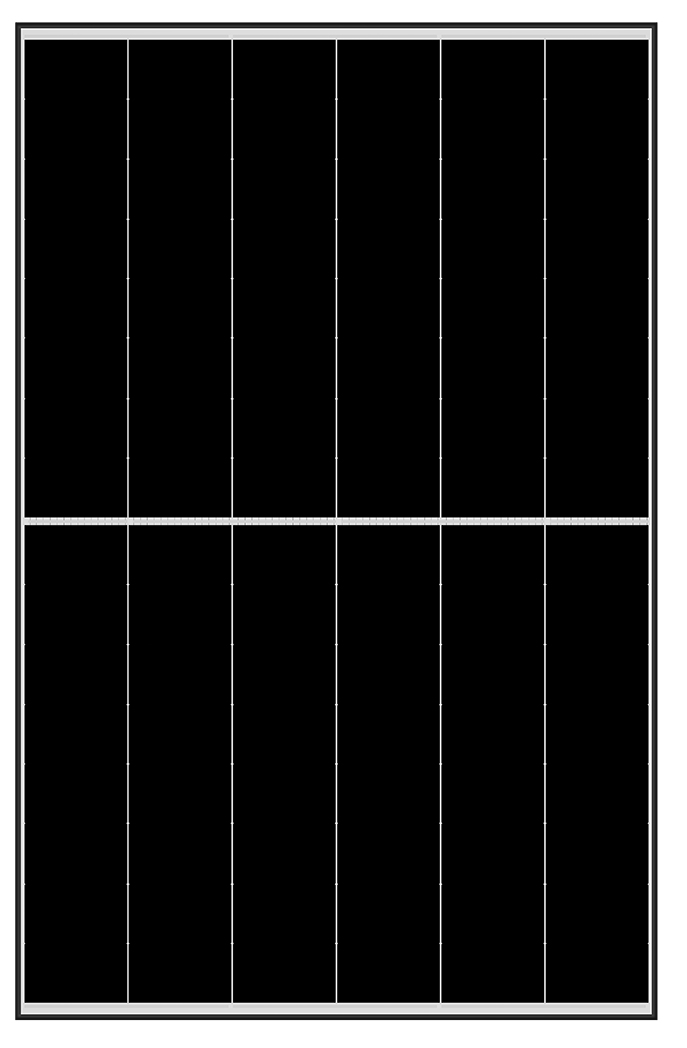
AIKO Solar
AIKO-A-GRH48Dw
Residential and Small Business
- Scope of Application Residential
- Performance Class 485 W
- Cell Technology ABC
- Efficiency 24.3 %
- Number of Cells 96
- Dimensions 1,762 x 1,134 x 30 mm
- Features Glass/Glass - Black Frame
- Weight 24.1 kg
- Units per container 962
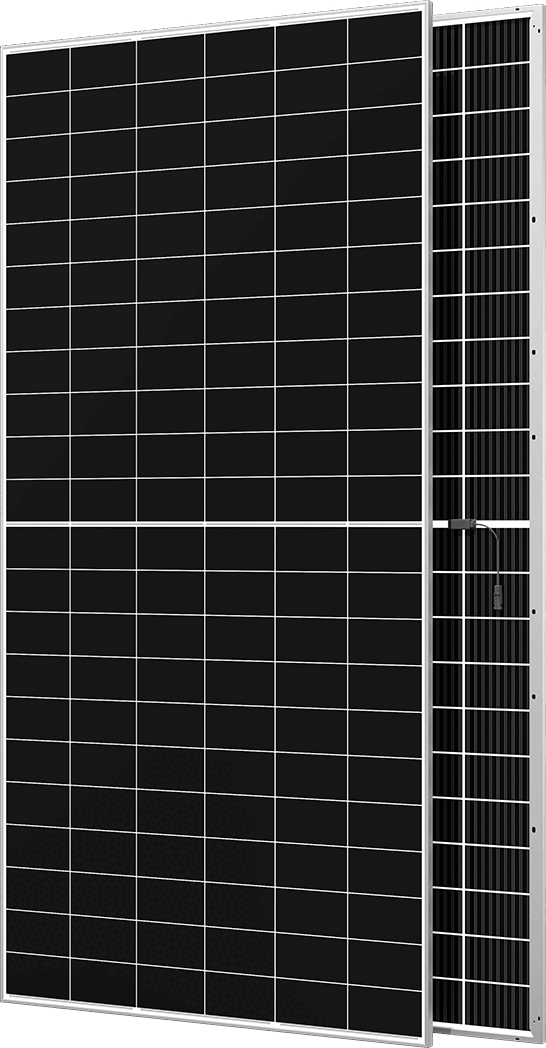
AIKO Solar
AIKO-A-GRH66Dw (650)
Commerce & Industry, Solar Farms & Large-Scale Plants
- Scope of Application C&I/Utility
- Performance Class 650 W
- Cell Technology ABC
- Efficiency 24.1 %
- Number of Cells 132
- Dimensions 2,382 x 1,134 x 30 mm
- Features Glass/Glass - bifacial
- Weight 32.5 kg
- Units per container 720
AIKO Solar
AIKO-A-GRH66Dw (655)
Commerce & Industry, Solar Farms & Large-Scale Plants
- Scope of Application C&I/Utility
- Performance Class 655 W
- Cell Technology ABC
- Efficiency 24.2 %
- Number of Cells 132
- Dimensions 2,382 x 1,134 x 30 mm
- Features Glass/Glass - bifacial
- Weight 32.5 kg
- Units per container 720
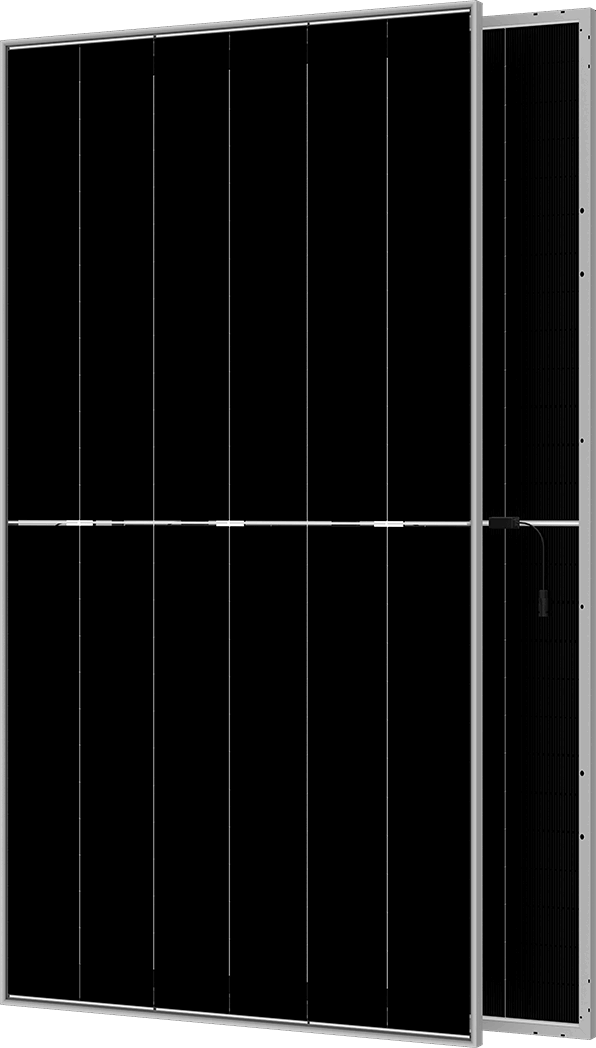
AIKO Solar
AIKO-A-GRH78Dw (770)
Solar Farms & Large-Scale Plants
- Scope of Application Utility
- Performance Class 770 W
- Cell Technology ABC
- Efficiency 24 %
- Number of Cells 156
- Dimensions 2,465 x 1,303 x 33 mm
- Features Glass/Glass - bifacial
- Weight 39.8 kg
- Units per container 594
AIKO Solar
AIKO-A-GRH78Dw (775)
Solar Farms & Large-Scale Plants
- Scope of Application Utility
- Performance Class 775 W
- Cell Technology ABC
- Efficiency 24.1 %
- Number of Cells 156
- Dimensions 2,465 x 1,303 x 33 mm
- Features Glass/Glass - bifacial
- Weight 39.8 kg
- Units per container 594

AIKO Solar
AIKO-A-MCE54Db (480)
Residential and Small Business
- Scope of Application Residential
- Performance Class 480 W
- Cell Technology ABC
- Efficiency 24 %
- Number of Cells 108
- Dimensions 1,762 x 1,134 x 30 mm
- Features Glass/Glass - Full Black
- Weight 24.2 kg
- Units per container 962

Frequently Asked Questions About Solar Panels
What is the efficiency of a solar panel, and why is it important?
What is the efficiency of a solar panel, and why is it important?
Efficiency indicates the percentage of incoming solar radiation that a module converts into electrical current. High efficiency means that more power can be generated on the same roof area. This value is a crucial selection criterion, especially when space is limited.
What types of solar panel technologies are available?
What types of solar panel technologies are available?
Today, monocrystalline and polycrystalline silicon modules are the most common on the market, with monocrystalline modules generally achieving higher efficiency. In addition, innovative technologies such as back-contact cell architecture (e.g., at AIKO Solar) and PERC technology (e.g., at Phono Solar and Canadian Solar) are becoming increasingly important. They offer improved energy yields, particularly at high temperatures or in low-light conditions.
How long do solar panels last?
How long do solar panels last?
High-quality photovoltaic modules are designed to last 25 to 30 years. Most reputable manufacturers offer performance warranties that ensure the module will still deliver a significant portion of its original rated power even after several decades. Regular maintenance and professional installation contribute significantly to the system’s longevity.
What does "low-light performance" mean in the context of solar modules?
What does "low-light performance" mean in the context of solar modules?
Low-light performance refers to a module’s ability to still generate significant output even under cloudy skies, in the early morning hours, or in the evening. Modules with good low-light performance offer a clear advantage, especially in regions with changeable weather, because they can significantly increase annual output.
Which solar panels are suitable for residential rooftops?
Which solar panels are suitable for residential rooftops?
For residential rooftop systems, all-black modules or monocrystalline modules with high power density are typically used, as they are visually appealing and blend well with the building’s appearance. Products from Phono Solar, AIKO Solar, and Canadian Solar offer suitable solutions for a variety of needs in the residential sector.
What should be considered when selecting solar modules for commercial projects?
What should be considered when selecting solar modules for commercial projects?
For commercial installations, the focus is not only on efficiency but also, and above all, on system costs, module size, and the manufacturer’s reliability. Large-format modules reduce installation labor and thus lower installation costs per kilowatt-peak. WATTKRAFT advises installers and wholesalers on selecting suitable modules and provides support with project planning.
How are solar panels installed properly?
How are solar panels installed properly?
Professional installation begins with careful planning: orientation, tilt angle, shading analysis, and the selection of the appropriate mounting system all play a key role. Qualified contractors handle installation, wiring, and commissioning, ensuring that the system operates optimally from the start.